
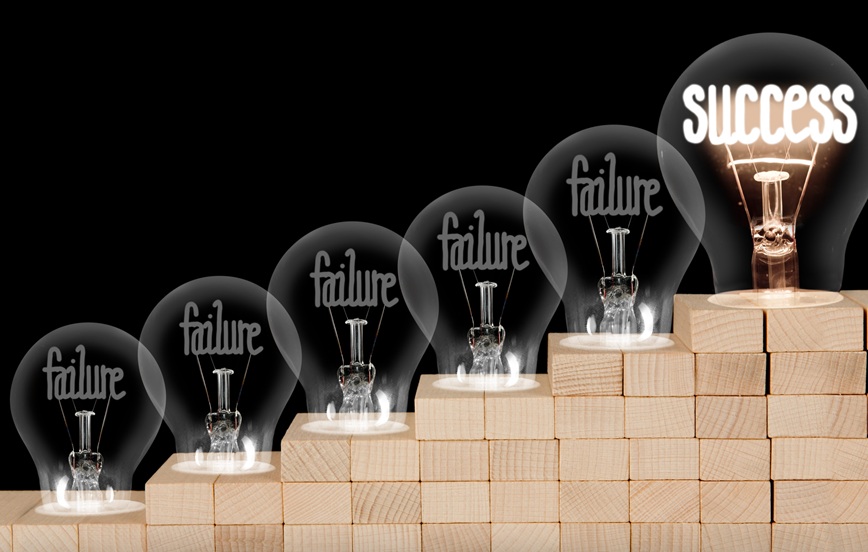
The following is a case study which highlights the dramatic transformation of a sales team at one of the largest companies in the world. The turnaround was led by my business partner, Steve Siebold, one of the world’s top mental toughness coaches.This article highlights, and I’ll spell out at the end, what separates top-performing teams from mediocre and poor-performing teams along with the keys required to build a winning culture.
Sales Team Rises from Failure to Best in the Nation
Background
The Atlanta-based regional sales team of one of the largest companies in the world, consistently ranked between 12th and 18th out of 24 regions nationwide. Despite a decade of efforts by the tenured Regional Vice President to enhance performance, the team’s sales numbers remained stagnant.
Catalyst for Change
At the companies National Convention in Phoenix, the RVP attended a 3-hour Mental Toughness Training session. Inspired, he invited the speaker to Atlanta to conduct an in-depth assessment of his team.
Research Findings
The assessment revealed a significant “delusion factor” within the team:
- 82% of salespeople considered themselves “world-class,” despite average or below-average results.
- 9 out of 12 district managers also self-identified as “world-class” managers, mirroring their teams’ poor performance.
- 70% of the sales team failed to meet their daily call quotas
- 80% of the team reported being satisfied with their sales results
- 75% of the team resented being pressure to achieve better results
Leadership Response
The RVP was surprised by these findings and made a bold decision to make Steve’s psychological performance training mandatory, which created tension on the team. The team agreed to participate in a 3-month pilot program, starting with the district managers.
Pilot Program Kickoff
The 6-hour in-person seminar began contentiously, as numerous team weaknesses were highlighted. District managers were challenged to promote changes in personal and interpersonal behaviors within their teams. By day’s end, managers committed to a 12-month Mental Toughness Process for their teams.
Implementation
The team was presented with identified problems and corresponding solutions. Initial cooperation was mixed:
- The lowest performer in each district was transitioned out.
- 12 new salespeople were hired using the Mental Toughness Process, ensuring readiness from day one.
- Weekly calls with a Mental Toughness Coach gradually shifted the team’s culture.
Within six months, a winning team dynamic emerged. District managers observed an attitude shift in 80-85% of their teams and worked to elevate the remaining members.
Results
Further personnel adjustments included the removal of six more salespeople, replaced by new hires. Key performance metrics improved:
- Average daily calls increased from 6 to 8.
- Pre-call planning exceeded 90% for the first time.
- Post-call analysis reached 95%.
- Engagement scores rose from 65% to 85%
The team broke into the top 10 nationally for the first time. Motivated, they maintained momentum during typically slow periods, even creating 175 t-shirts emblazoned with their Mental Toughness Mantra. The RVP noted unprecedented enthusiasm. The team finished the year ranked #1 nationally, surprising corporate leadership.
Aftermath
Despite their success, peers doubted the team’s achievement, attributing it to luck. This skepticism further unified the team. They declared their intent to retain the top ranking the following year—a feat never before accomplished in this organization. With management’s support and enhanced incentives, the team repeated their success, securing the President’s Award for the second consecutive year and setting a company record.
Lessons Learned
The biggest takeaway? Sales success is about more than just product knowledge and basic selling skills. Championship teams are built by combining:
- A commitment to excellence
- A proven sales process and systems
- Advanced sales skills (objection handling, value-building, closing at top-tier pricing)
- Mental toughness, which enables resilience, persistence, and emotional control *
- Accountability and tough love, when needed to drive performance
* – Many reps misinterpret buyer resistance as rejection, especially during cold calls or follow-ups. Often, the prospect is simply busy—not disinterested. Mental toughness helps salespeople stay grounded in reality and keep moving forward despite rejection, real or imagined, found mostly in the initial and presentation portions of the sales process.
Common Sales Leadership Mistakes
- Spending too much time, money, and energy on low performers who won’t make it—this is good time, money, and energy after bad (sunk cost fallacy).
- Overburdening top producers with tedious rules and reporting which are most effective for getting and keeping the lower performers on track.
- Tolerating poor performance and allowing it to continue without consequences.
- Allowing high performers to subsidize underperformers.
Note: Most people who think they are great, stop working and do the bare minimum. Ironically, it’s usually the top performers who are never happy with where they are and continue to work hard to improve. This is most evident in professional sports.
- Moving top salespeople into management positions. Top salespeople are your golden gooses, your #1 revenue source. Moving them not only kills revenue but it moves them into a position that they are not naturally wired for. Sales and management require two different personality types and two completely different skillsets.
Conclusion:
As I travel the country and work with hundreds of sales teams, both large and small, the ones that struggle have ‘research results’ similar to the team in this case study. Transforming a team starts with shifting their thinking. When salespeople are trained to think like champions—and held accountable to high standards—the results can be extraordinary.Bottom of Form
If you’d like to instill these in your team, go to: www.completeselling.com or email me: johnchapin@completeselling.com.
John Chapin is a motivational, results-based sales speaker, coach, and trainer with over 37 years of sales and sales management experience. You can reprint provided you keep John’s website and other contact information in place.